

Nine Pianists in Search of Nocturnes
Ellis Ludwig-Leone Brings a Quiet Hour
By: Susan Hall - Nov 08, 2026
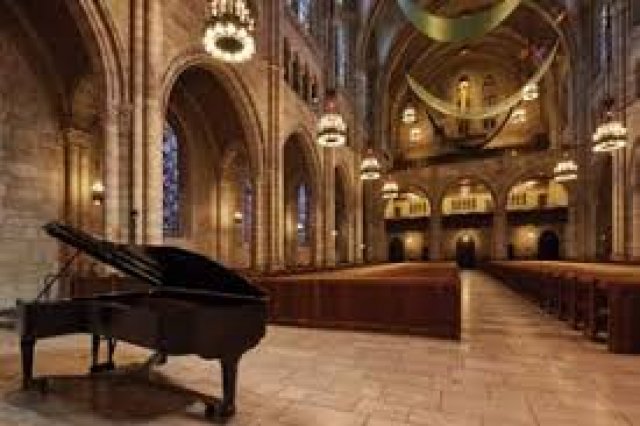
November 8 is World Pianist Day. The evening before, New York's leading young impresario, Andrew Ousley, presented nine pianists in search of nine nocturnes composed by one of their own, Ellis Ludwig-Leone.
Ludwig-Leone's inspiration came from an old upright piano that lingered in an apartment he had just moved into. Many musicians travel with their instruments. Doriot Anthony Dwyer, the Boston Symphony's celebrated flutist, may occasionally have traveled separately from her flute by mistake. But it was her instrument, and it usually found its way to her orchestra seat, wherever she happened to be performing.
Pianists, by contrast, most often perform in public on instruments that belong to someone else. For this project, Ludwig-Leone recorded pianists playing on instruments of their own choosing. One piano reminded Simone Dinnerstein of a beloved colleague. Aaron Diehl had acquired his personal Steinway secondhand. Each instrument seemed to carry its own history and personality.
Heard one after another, the nine nocturnes share a common thread. They dwell somewhere between a lullaby and an evening prayer, on the one hand, and a nightmare on the other. There is the reassurance of "Now the day is over, night is drawing nigh," but also the anguish of notes that seem almost to scream, "Batter my heart, three-person'd God."
The evening itself was a concoction of cocktails and song. Quiet Hour at Riverside Church began at seven. The audience, diverse in age and background, gathered in Christ Chapel, where the beautiful, intensely personal sounds of the piano seemed to wrap around us. Rather than rousing the audience, the music offered calm souls, only recently released from political torment.Basking in these nocturnes felt like a prelude to a better day.
Ludwig-Leone has given us a little night music. Like Steven Sondheim, he combines rich harmonies reminiscent of Ravel, the sweet sophistication of Poulenc, and punchy, robust conclusions, while adding his own musical references, including the work of Arvo Pärt. Yet the music is unmistakably his own.
The beginnings of the pieces are often melodic and inviting. Some are quiet, almost like a mother whispering her child to sleep; others are magnificent, evoking the sunken cathedrals of Debussy. The music moves between intimacy and grandeur, tenderness and turbulence.
Each pianist brought a distinctive sensibility. Adam Tendler's playing was both bold and crisp. Lisa Kahn had a special way of drawing unexpected sounds and colors from the piano. Aaron Diehl brings the freshness of improvisation to his performance.
It was a delightful evening in which the piano was the star, as it has been for centuries. But something else was floating around the chapel: the recognition that musicians, whose art can be a solitary pursuit, have a special pleasure in coming together, listening to one another, and sharing their gifts.
The audience felt it, too. For one evening, nine pianists, nine nocturnes, and a roomful of listeners were joined in something intimate and generous. Perhaps that is what a little night music can do: quiet the noise, comfort the restless, and leave us a little more hopeful about the morning.