

Agrippa, a Novel of Ancient Rome’s Decent into Dictatorship
By Robert Harris
By: Charles Giuliano - Sep 27, 2026
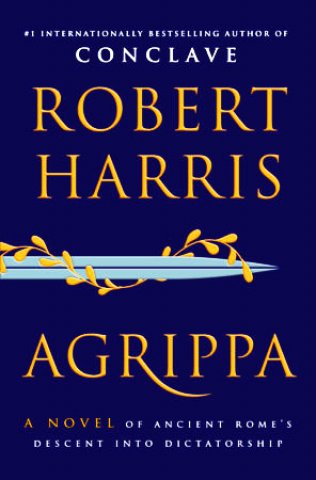
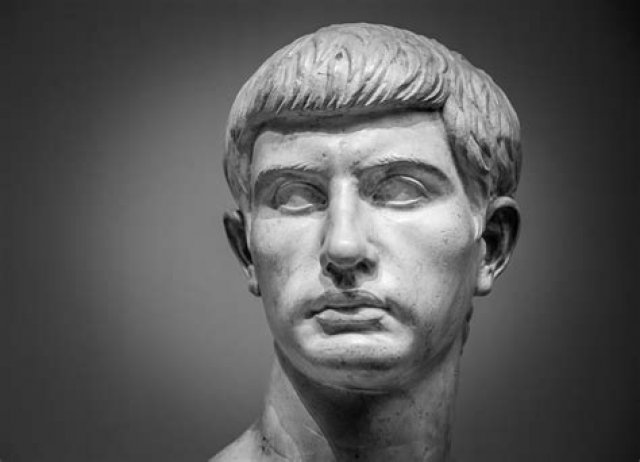
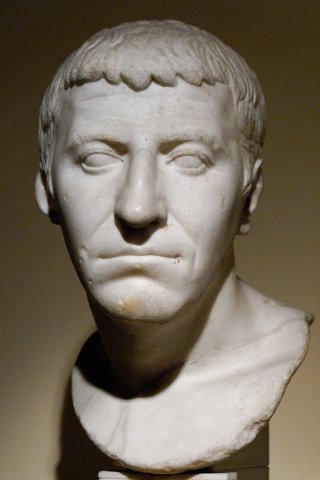
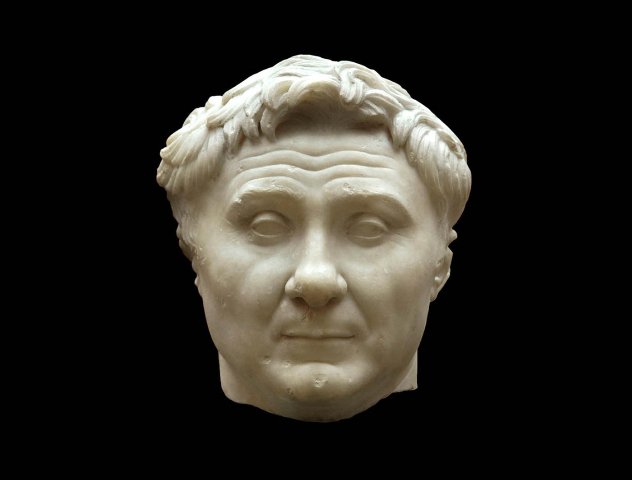
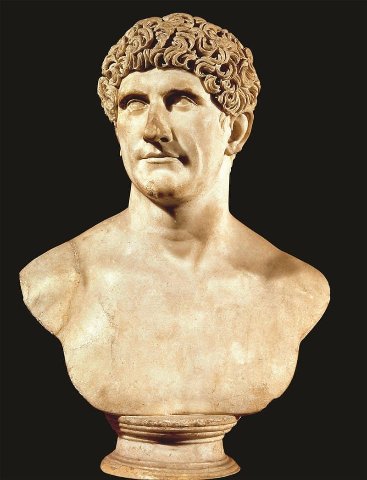
Agrippa, a Novel of Ancient Rome’s Decent into Dictatorship
By Robert Harris
372 Pages
Doubleday, 2026
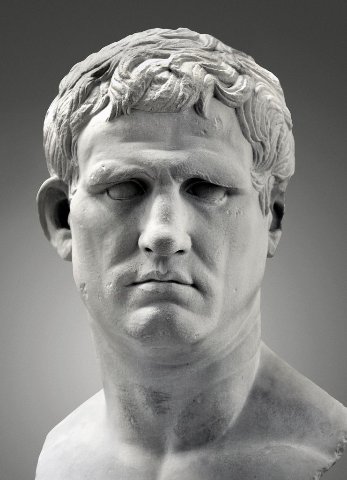
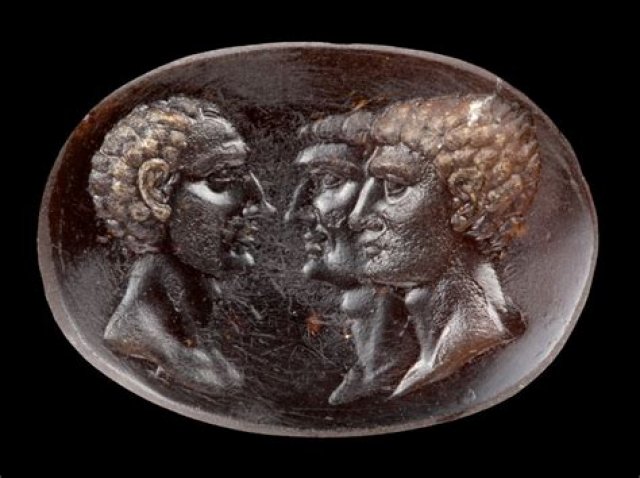
Marcus Vipsanius was born, feet first, into a plebian family in 63 BCE (died 12 BCE). Because his mother died in childbirth he was given the nickname Agrippa (mother killer). Gaius Octavius who proved to be a lifelong friend and collaborator was born in the same year (died 14 AD) but, as great nephew of Julius Caesar, was endowed with rank and privilege.
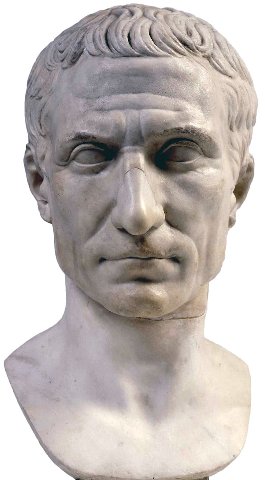
In a page turning novel by Robert Harris it’s stated that they met as schoolboys. Octavius was weak and sickly and as such was bullied. A natural brawler Agrippa protected his mate only later learning of his nobility. This came to the attention of Caesar who called on Agrippa and had him pledge to protect his new friend. Caesar took an interest in their education and early military training. While Agrippa was taken on campaign, experiencing combat for the first time, Octavius was too sick and weak to join them.
The companions were pursuing their education when word came of the assassination of Caesar on the Ides of March 44 BCE. When Caesar’s will was read by Mark Antony (83-33 BCE) it was learned that he named Octavius as his successor. In the chaos and decades of civil war that followed Antony seized power as Consul.
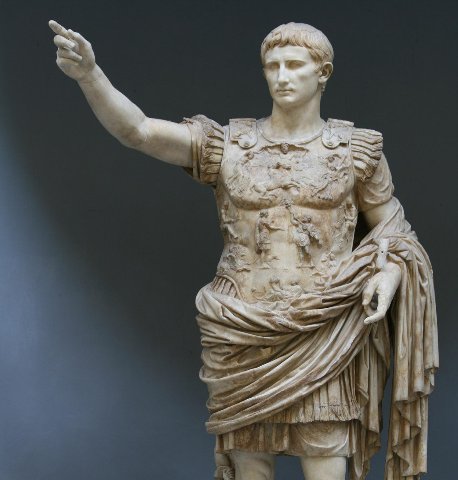
While Caesar named Octavius his successor it was another matter entirely for the teenager, who had never engaged in battle, to consolidate his claim. With military acumen, and eventually Rome’s foremost general, Agrippa was an essential ally in that Imperial ambition and eventual autocratic rule as Augustus.
Like Robert Graves (I Claudius) Harris uses the literary device of telling this complex history of Rome’s most turbulent period as a first person narrative. The then battle weary warrior is said to have written a memoir when nearing death at 50. He had suffered a spear wound to a leg which failed to heal. He chose death by starvation and passed after several days. The sickly Augustus died of natural causes at 75.
If you enjoyed I Claudius it is likely that you will revel in this factional autobiography.
It is a narrative conveyed in the plain speech of a warrior and statesman who survived a time of plots and assassinations by knowing his place. While amply rewarded with high office and generous gifts, to his chagrin, Augustus took credit for his accomplishments. He led the triumphal march for the conquest of Antony and Cleopatra while it was Agrippa who presided over the battle of Actium (31 BCE). Despite many victories Agrippa was never awarded a triumphal procession into Rome. Harris speculates on his chagrin.
The author tells us he “left behind no speeches, few letters and only a couple of sentences of direct quotation”. Yet Agrippa was “effective co-ruler of the Roman world for many years” and “the greatest general of the period”.
The novel in a forensic manner unpacks cobwebs of characters and intrigues in the struggle to gain wealth and power over an empire that surrounded the Mediterranean in a vast oval with some 4,000 cities.
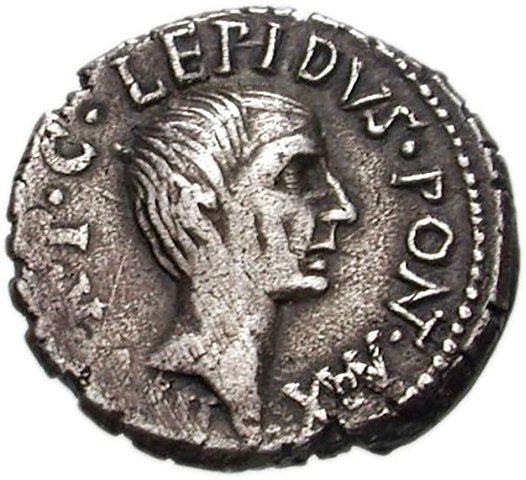
The first task at hand was to hunt and annihilate the conspirators Brutus and Cassius. Toward that end August and Antony joined forces. Then, with Lepidus, they formed a triumvirate dividing the empire. Things fell apart and Lepidus was ousted leaving Antony and Augustus to battle for control.
The Mediterranean was freed from the pirates starving Rome. Consequently Sicilians were granted citizenship. This was also accorded to foreign legionnaires when they were mustered out with land and stipends. These retired soldiers served as reserves in times of crisis. It fell on Agrippa to administer these arrangements.
After the civil wars there was a vast army to transition to civilian life. Agrippa astutely put them to use constructing infrastructure including aqueducts for new settlements in Southern Italy.
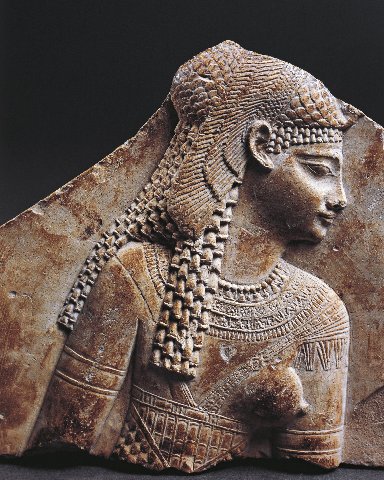
Antony abandoned his powerful and scheming third wife, Fulvia, to ally with Queen Cleopatra. Through an affair with Caesar they had a son Caesarion. Had Antony and Cleopatra prevailed they had a legitimate claim to the Empire. Cleopatra had twins by Antony.
What is not lost on the reader is the manner in which Augustus quelled opposition and consolidated power as dictator of Rome. Toward this end he had senators who opposed him killed and replaced by those loyal to him. He effectively destroyed the Republic.
Does that theme sound familiar?
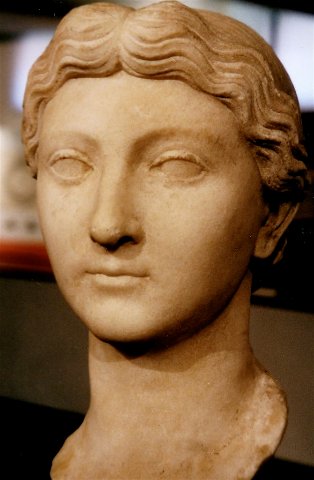
Of great concern to emperors is the matter of succession. Augustus had three wives; Claudia, Scribonia, and Livia. His only child was Julia by Scribonia. He forced Augustus to divorce and marry her. Augustus then adopted their sons Gaius Caesar and Lucius Caesar both of whom died in battle. Livia coerced him to adopt her son Tiberius as his heir. She served as an influential confidante to her husband and was rumored to have been responsible for the deaths of several of his relatives, including his grandson Agrippa Postumus. Claudius, a direct descendant, elevated her to divinity.
With three wives Agrippa had nine children. His ashes were placed in the mausoleum of Augustus.
What survived him was a genius for engineering and infrastructure. With roads and aqueducts, a harbor and new cities he left the empire better than he found it. He was responsible for the first Pantheon which burned and was rebuilt more grandly under Hadrian.
This wonderful and absorbing novel by Harris draws Agrippa out into the light and detached from the long shadow of Augustus. That said, there would not have been one without the other.