

Carmen in Salzburg
Asmik Grigorian Shines in Her Role Debut
By: Susan Hall - Aug 09, 2026
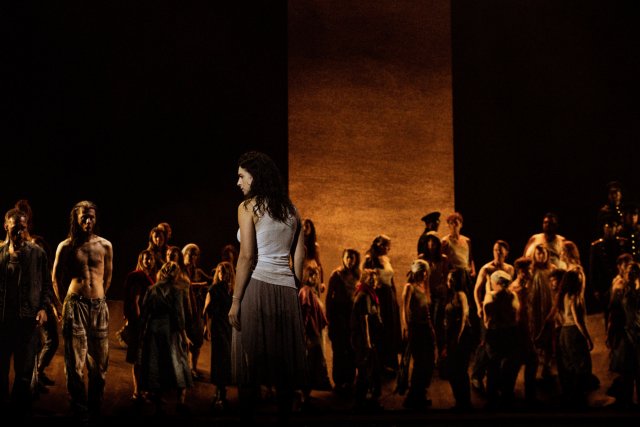
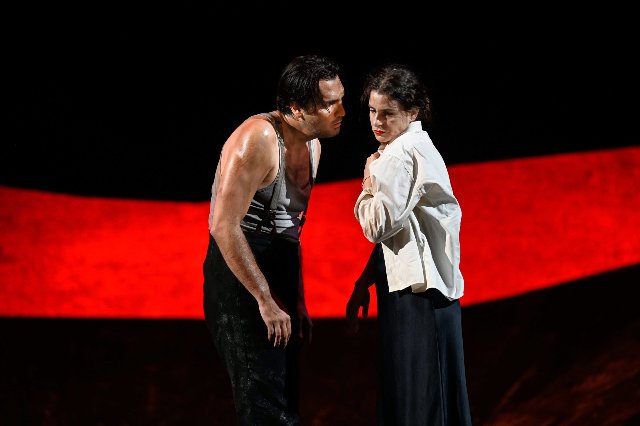
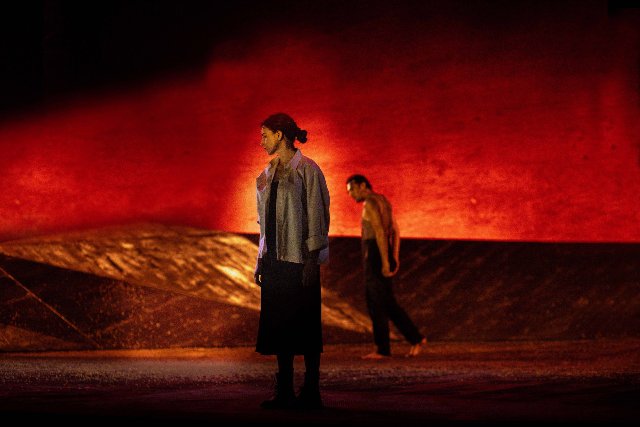
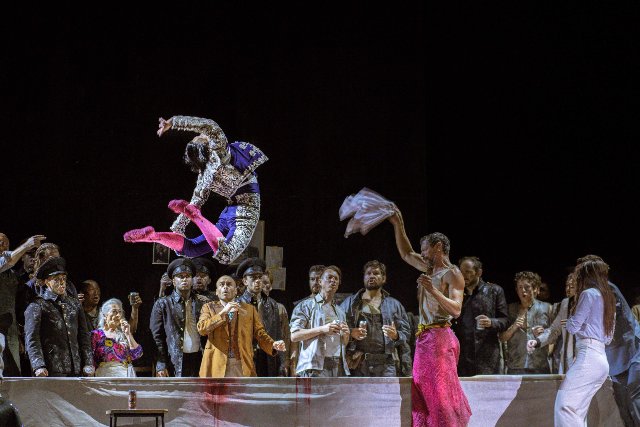
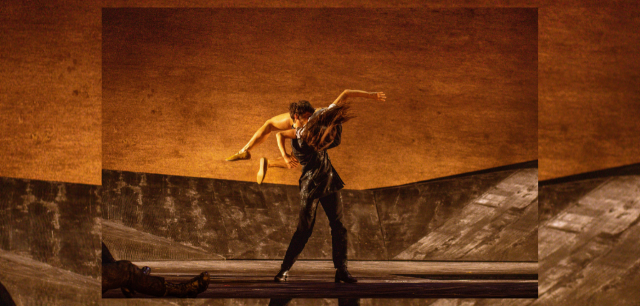
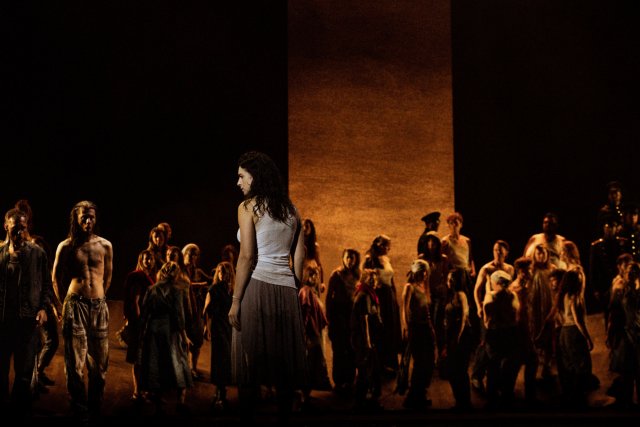
Carmen arrived in a new production at Salzburg this summer, featuring Asmik Grigorian in her role debut as the title character. Everything we have come to expect from this glorious singer is alive on stage at the Grosses Festspielhaus. Her acting fully matches her vocal prowess.
The four leads were all excellent, rounded out by American Jonathan Tetelman as Don José, Kristina Mkhitaryan as Micaëla, and Davide Luciano as Escamillo.
Georges Bizet was deeply attuned to the theater, ensuring the dramatic interactions among his four lead characters carried real weight, not just in explosions of sexual desire and violence, but also in quieter moments, such as Micaëla's pleas to her former fiancé.
The two female roles were markedly character-driven. The real surprise of this Carmen was how deeply felt her drive toward freedom was. As for Micaëla, she is far from a wimpy ex-lover; here, she appears as a strong woman determined to do the right thing, yet ultimately unable to succeed. She acknowledges her failure, which is crucial because that failure drives the plot forward.
In his final season as artistic director at Salzburg, Markus Hinterhäuser hired Argentinian choreographer Gabriela Carrizo to direct and choreograph. Her company, Peeping Tom dance company offers a compelling blend of storytelling and physical theater.
The eight dancers she brought to Salzburg are graphic doppelgängers. Opera has frequently adopted this doubling stage device, sometimes with unfortunate consequences. The doubles for Tristan and Isolde in Es Devlin’s fabulous Wagner production didn't work.
In this Salzburg Carmen, however, they are stunningly effective. While the costumes for the singing characters and soldiers are bland, the doppelgängers are full of color and glimmer as the dancers twist, contort, and squiggle their bodies to evoke the emotions of the characters they shadow. Bathed in stunning lighting, they are a visual highlight of the evening.
Carrizo displays a firm grasp of the horizontally expansive Salzburg stage. Even when centering just one or two characters, the design by Christof Hetzer features craggy rocks from the Spanish countryside cropping out to engage the eye and evoke dread. As always in Salzburg, Tom Visser’s lighting adds drama without overpowering the stage, which is dominated here by a blood-red palette.
Teodor Currentzis, the enfant terrible of the conducting world (perhaps not so enfant anymore), keeps his orchestra moving at a brisk pace, often with the musicians standing. The music was crisp, though some of the redolent Spanish flavor was missing. Yet the pleasures of Currentzis’ rhythmic precision and texture subtly provide a clear theatrical momentum.
The recitatives have been cut and the dialogue eliminated. The pared-down opera is as surprising as Peter Brook’s famous 1981 reduction to 90 minutes and four characters. The celebrated Calixto Bieito production similarly stripped the opera back to highlight its violent origins in Prosper Mérimée’s novella, on which the Carmen libretto is based.
Does the audience miss the erotic lust? Perhaps a little more heat between the characters would have enhanced the experience. Yet the production remains thrilling. The characters Asmik Grigorian brings to life always demonstrate an internal journey toward self-realization. For her Carmen, freedom is a deliberate choice, not just a default path. Grigorian's performance makes the iconic character deeper, richer, and more fascinating.