

Dishwasher Dialogues, Art and Love in Paris
A Fabulous Bubble
By: Greg Light and Rafael Mahdavi - Mar 11, 2026
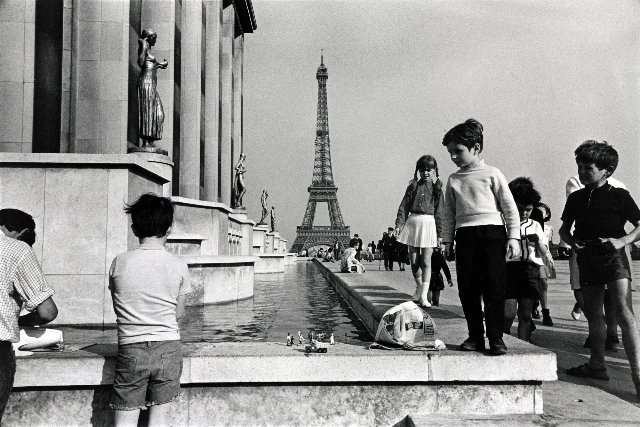

Rafael: Art and love and women, we agreed about art most of the time, but love and women? Rarely.
Greg: You would have to remind me of what I believed back then and how we differed. But sans evidence, I would have said it was the other way around. Art? We rarely agreed. Not to begin with. I think you took it more seriously than I. Love and women. You may be right. Perhaps, I took it more seriously than you. But maybe not.
Rafael: We might be wary of such talk now as old farts. A theme so thrashed and trashed and lauded and even deified in literature, we should stay away from it, that’s what’s going through my head.
Greg: Stay away from it. On that I do agree. Fully.
Rafael: No need to make fools of ourselves, or myself, once again.
Greg: Again, I absolutely agree.
Rafael: But I might try?
Greg: So, again, this is where we diverge.
Rafael: The little world at Chez Haynes was a microcosm of these feelings, wasn’t it? Leroy had been married a few times. He loved women and hated them, and when he was drunk some evenings, he railed against women; how they had screwed him over, but that’s neither here nor there. The bottom line was the hurt and pain.
Greg: It was both here and there for him. Whatever the exact nature of his pain, he suffered it in the way he lived life. Fully.
Rafael: Same for Don, he wasn’t with his woman anymore, and he had to see her every day, and we could see Don’s anger at her. We all felt that he would defend her to the death if anyone tried to harm her. We never really knew what had happened between them. Who had been unfaithful? Who could forgive?
Greg: We knew who was hurting the most. Or who appeared to be hurting the most. Don. Not that we took sides. We stepped back and let it play out. Peacefully. Meaning with no violence to anyone. Maybe, you fuelled the fire a wee bit. That is not a criticism. Their relationship was over. And no one was physically hurt. As far as I know.
Rafael: And the waitresses? On slow nights we hung around the bar and drank and talked. Other nights at Le Trafalgar we’d let our hair down as they say––I had hair then.
Greg: I think that is all we had. But we had a lot of it.
Rafael: Each waitress had a love story or two to tell. I did too, but I kept them discreet. I have never been the type to discuss affairs with anybody. I’m not going to start here.
Greg: Fair enough. It makes this chapter easier.
Rafael: The love stories were from the past and never ended well, but I suppose love stories of the past never end well.
Greg: That is why they are in the past.
Rafael: We talked about fidelity and money.
Greg: I remember talking about fidelity. But not so much about money; not in relation to fidelity.
Rafael: What did we want? Security and ongoing commitment and a relationship? Even if the sex was no good?
Greg: I think we came from different vantage points back then. We probably disagreed about fidelity and sex. But maybe I am kidding myself.
Rafael: The women were divided on this at the time, some said the commitment and the relationship were more important than the sex. Others claimed the opposite.
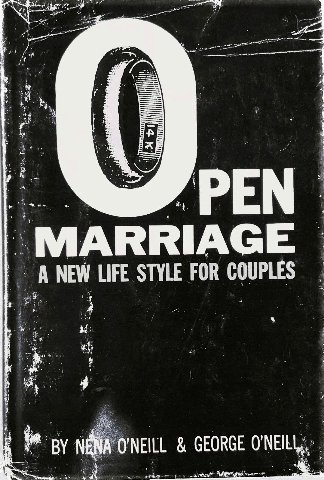
Greg: This sounds like the controversy about ‘open marriage’ which was circulating widely back then. We certainly discussed its merits and drawbacks at the Chez Haynes dinner table.
Rafael: Fidelity was a different matter for each one. For a few of the waitresses, was infidelity par for the course? I won’t hazard a guess.
Greg: Neither will I. But your question sounds like the kind of thing a man might have wished for back then. I guess I am not surprised about the lack of agreement in the sample of women you surveyed in your research.
Rafael: Research? You’re giving me more credit than I deserve. Most of the women wanted children one day; it was a subject that came up often. And children require commitment.
Greg: Children? I do not remember any conversation about having children. Certainly not with respect to fidelity or open relationships. But that may be selective forgetting on my part.
Rafael: I may have brought it up, but no, children were too serious a responsibility for me to even imagine then in Paris. Later on, after the birth of my second child, I underwent a vasectomy. I was certain I would never have the means to support more than two children all the way through their college and graduate school studies.
Greg: Thoughts about having children were the furthest thing from my mind at that time. I knew I was not ready. I was barely ready to bring myself up. I left Canada and came back to Europe instead.
Rafael: Looking back, I think I returned to Europe because I felt less of an exile here. It has nothing to do with passports. I think, at times, that exiles don’t exist. They’re a useful concept for people who exist in places between places. They don’t have any coordinates, no national longitudes, and latitudes. Maybe this makes no sense, but it sounds good.
Greg: I am not sure one ever completely shakes off national longitudes and latitudes. We just acquire additional ones which helps smooth over some of the rougher patches. Like with love, sex, and relationships.
Rafael: We didn’t realize it in Paris then, but we were living in an incredible era of sexuality. The pill was easy to buy over the counter for women, abortion in France was on-demand and free. AIDS wasn’t around. I didn’t want a relationship; the very word scared me. I did not want to commit to any long-term arrangement.
Greg: That is where our thoughts did converge. Although I do not remember discussing it at the time. We just lived it.
Rafael: To put it bluntly, it was a fabulous bubble in time when it came to sex.
Greg: A fabulous bubble. That would be a good name for this chapter.
Rafael: Danger-free sex. And I liked living alone. Women were kind to me, generous, giving, and now, so many years later, I hope that they remember me that way too. Is that asking a lot?
Greg: It depends entirely on how you, we, behaved. In some cases, it might have been asking for much more than we deserved or had a right to hope for.
Rafael: Probably. But then, as Auden writes, hearts that we broke long ago, have long been breaking others.
NEXT WEEK: PARISIANS SANS HAUTE COUTURE